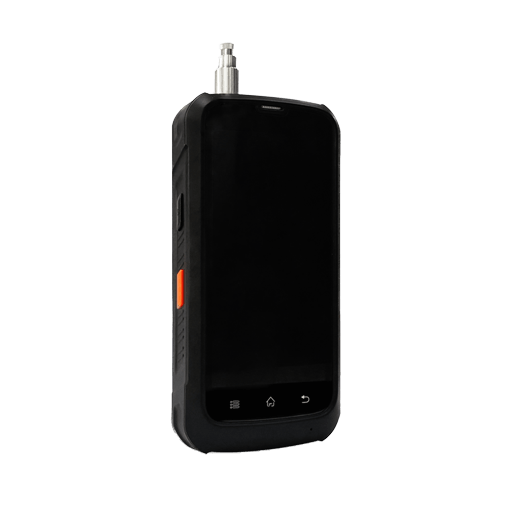
The HRS-300 is a compact handheld spectrometer designed for direct optical signal acquisition across a spectral range of 350–1050 nm. Built on an Android-based software platform, the system offers intuitive operation and fast response, enabling spectral measurements including raw spectrum, transmittance, and reflectance.
Its compact and highly integrated design provides excellent portability and operational flexibility. With dimensions comparable to a smartphone, the HRS-300 is suitable for laboratory analysis, industrial inspection, and field measurements. A high-capacity battery supports continuous operation for approximately 4–6 hours.
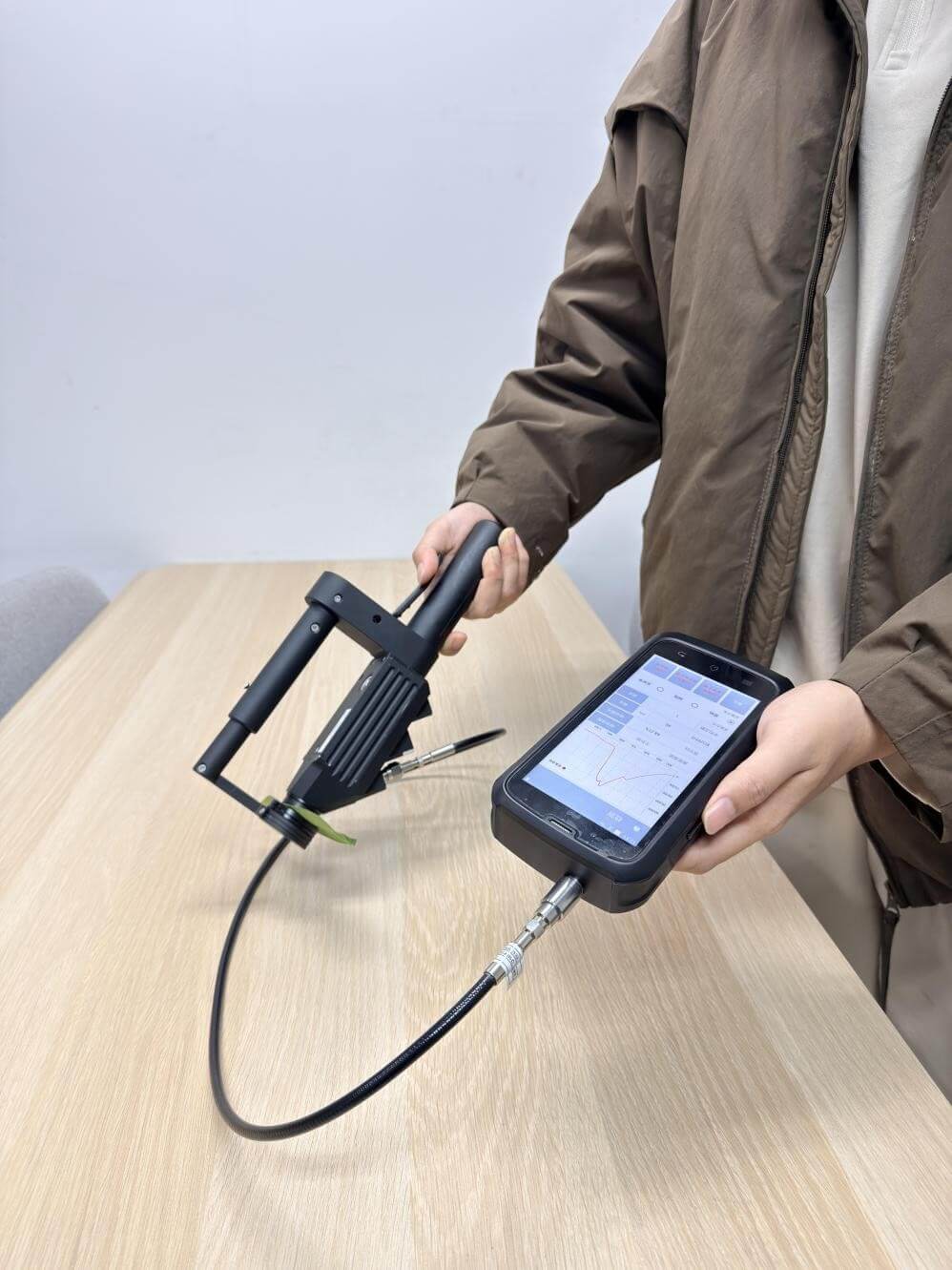
The front end of the instrument features a standard SMA905 interface, allowing direct external optical signal collection. It can also be used with collimators or narrow field-of-view lenses to control sampling angle, making it suitable for applications such as solar spectrum and LED light source measurement.
The instrument can also be paired with external light sources and sampling accessories for reflectance and transmittance measurements. For example, when used with the RPB-D0-IS30 reflectance probe, convenient reflectance analysis can be performed via fiber connection. This setup is suitable for research involving textile color analysis, leaf photosynthesis, fruit quality inspection, and pigment analysis of cultural relics.
-
Features
- Real-time spectral acquisition
- Compact and portable design
- Versatile measurement capability
- Flexible accessory compatibility
-
Specification
Model HRS-300 Dimensions 183 × 89 × 36 mm Weight 500 g Spectral range 350–1050 nm Wavelength resolution < 2.0 nm Excitation source External light source required Integration time 1 ms – 65 s Input interface Micro USB Output interface SMA905 Camera 8 MP Touch screen 720 × 1280 capacitive touchscreen Connectivity Wi-Fi / Bluetooth / GPS Operating temperature 0–40°C Operating humidity 5–80%
-
Applications
Fabric inspection
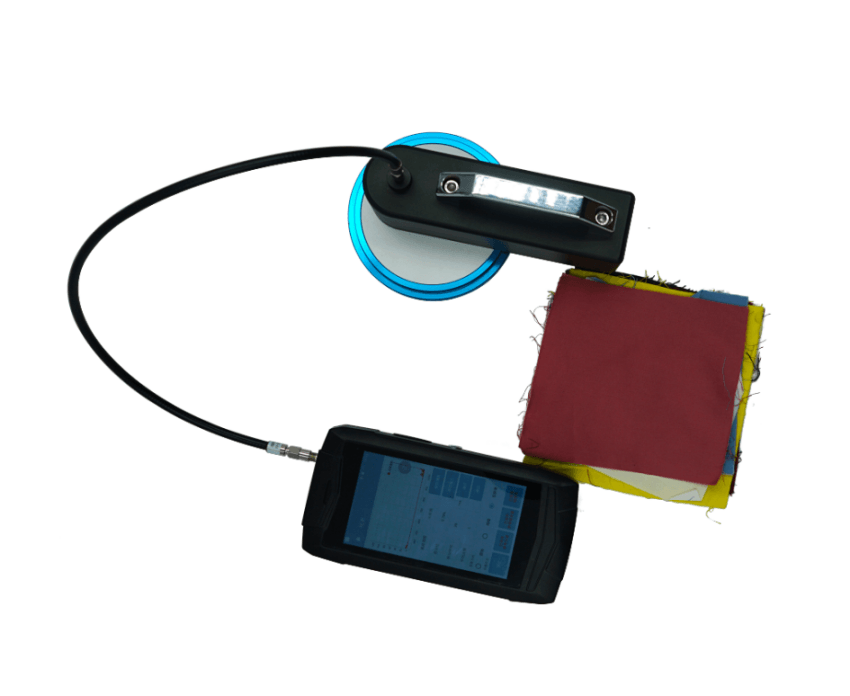
Figure 4 reflectivity measurement of textile fabric
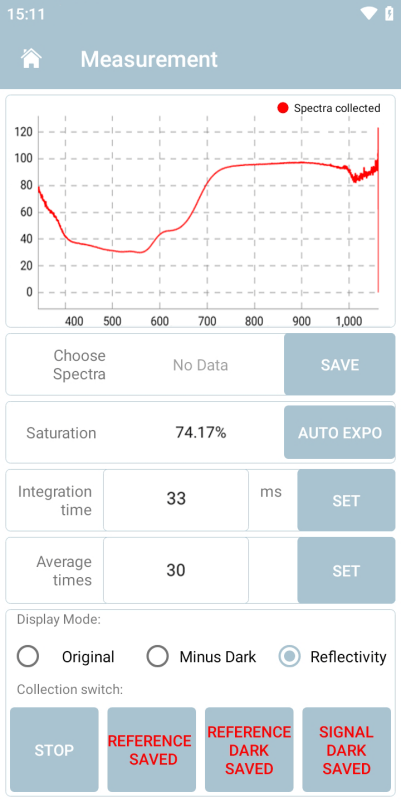
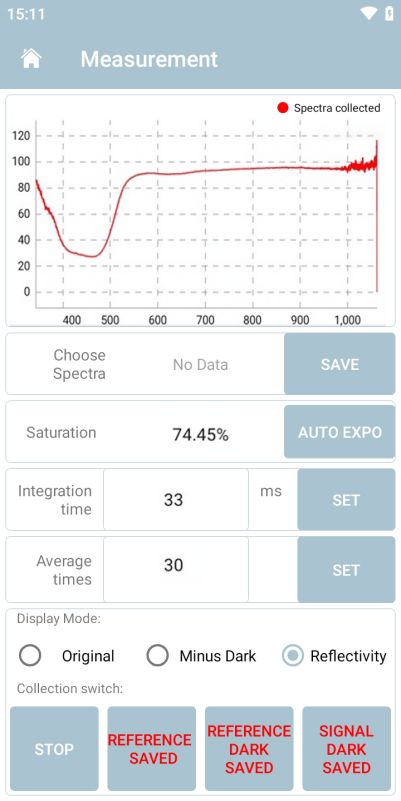
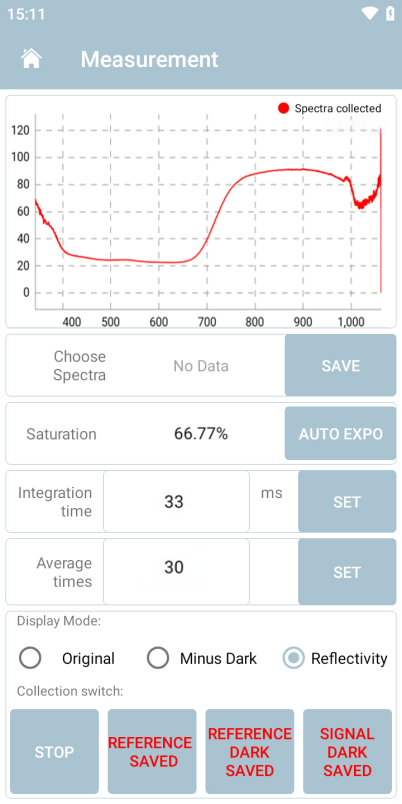
Figure 5 reflectivity test diagram of different colors of cloth
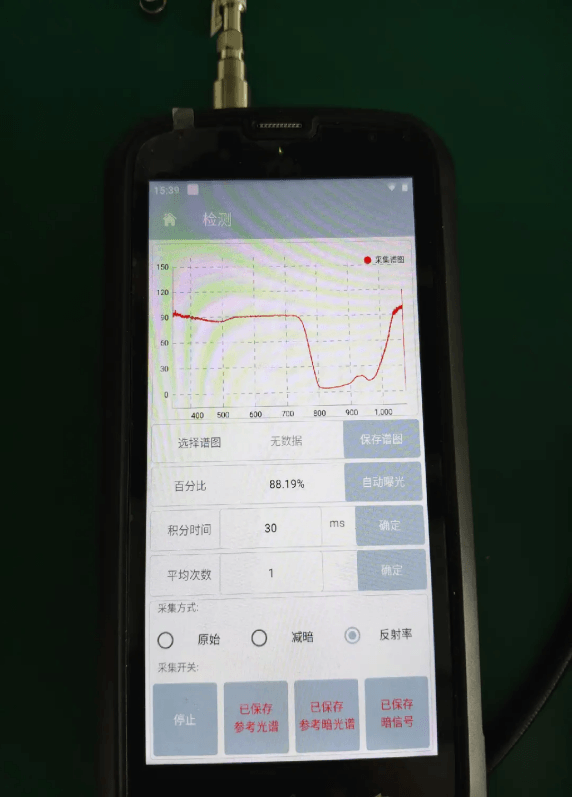
The HRS-300 is widely used in agricultural remote sensing, crop growth monitoring, and plant physiology research. By measuring vegetation reflectance spectra, it captures characteristic absorption peaks related to chlorophyll and moisture content. This enables rapid assessment of nutrient deficiency, water stress, and early disease indicators, supporting precision fertilization, irrigation management, and disaster prevention.
The HRS-300 is suitable for soil nutrient evaluation, contamination monitoring, and environmental management. It can quickly determine organic matter, nitrogen, phosphorus, potassium content, and heavy metal contamination such as lead and cadmium. Since complex sample preparation is unnecessary, in-situ field measurements can be performed efficiently, supporting farmland evaluation and pollution remediation.
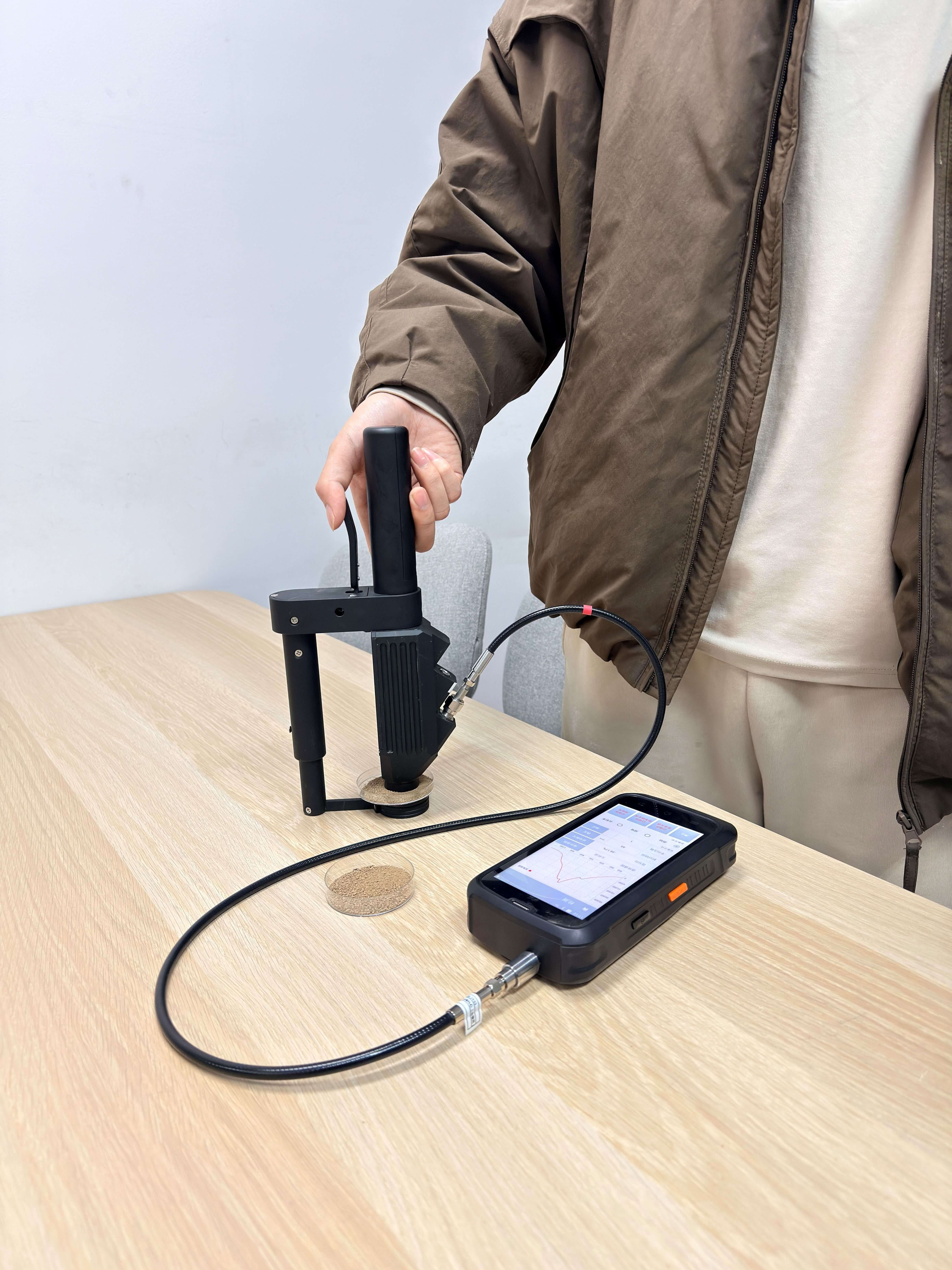
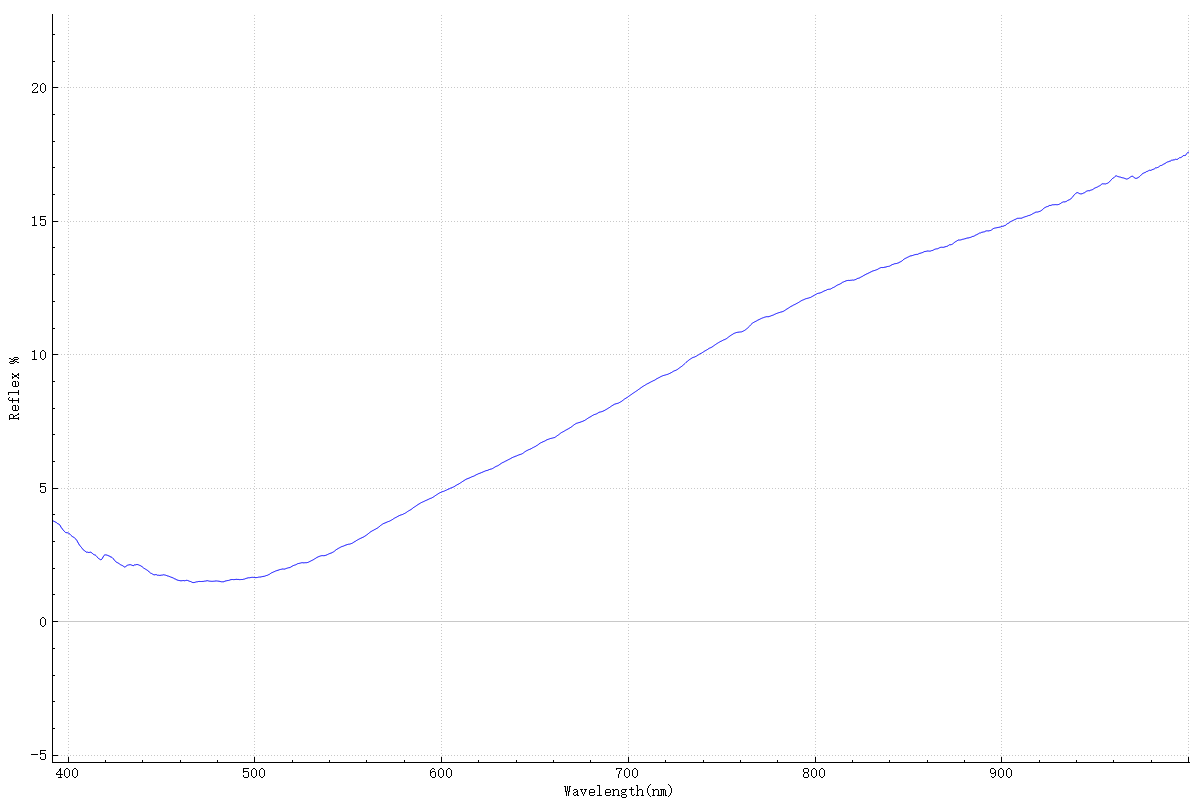
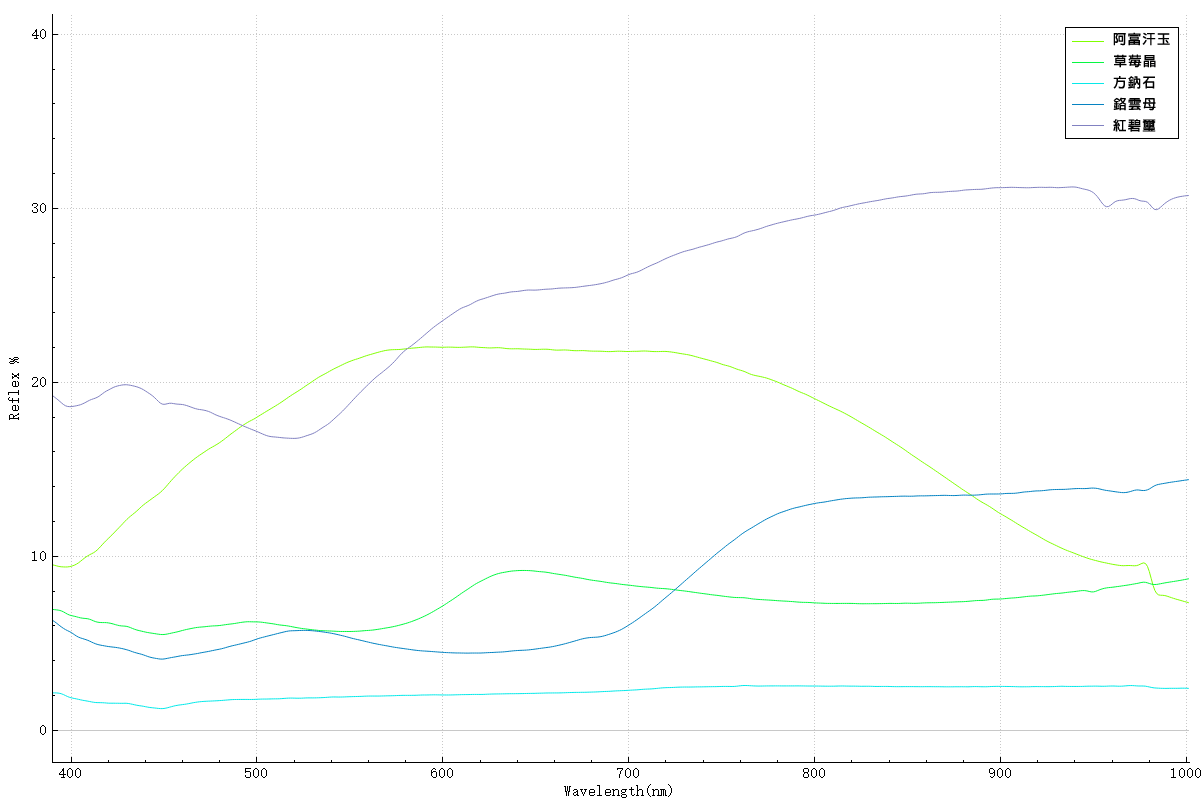
The HRS-300 can be used in geological exploration, mineral resource evaluation, and mining operations. By collecting reflectance spectra from ores and rocks and comparing them with standard mineral spectral libraries, the system can quickly identify minerals such as quartz, feldspar, and calcite. This significantly improves mineral identification, vein localization, and ore grading efficiency.